
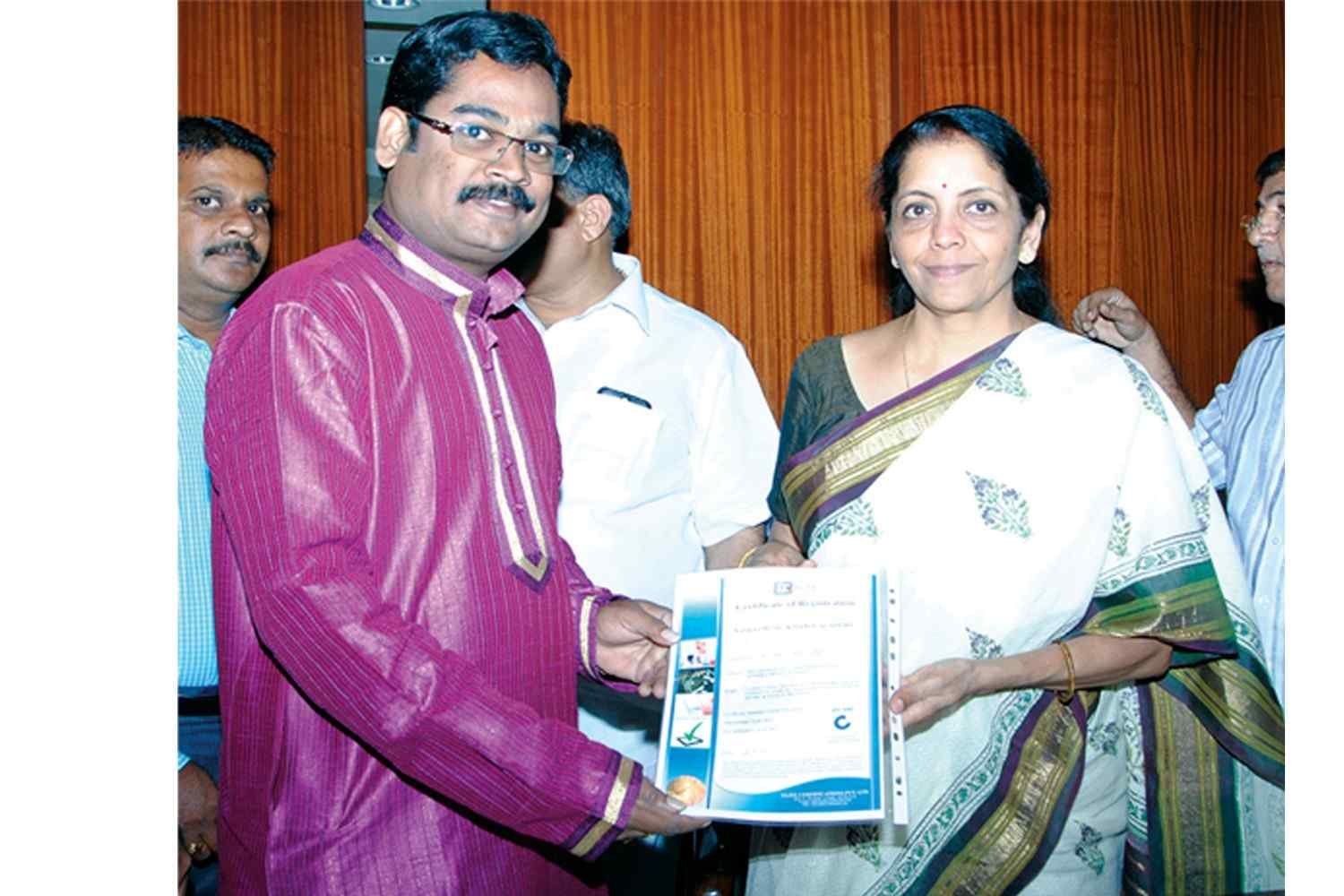
The rapid growth of digital technology has transformed the way audiences discover and experience culture. For Indian classical arts, this transformation has created both challenges and new opportunities. While live performances remain central to traditional dance and music, digital platforms can help artists reach audiences beyond geographical boundaries. Cultural organiser and Kuchipudi exponent Vikram Kumar B R, popularly known as Bathina Vikram Goud, has responded to this changing environment by supporting online festival initiatives such as the Amrapali Online Nrithyotsav and Siddartha Online Nrithyotsav.
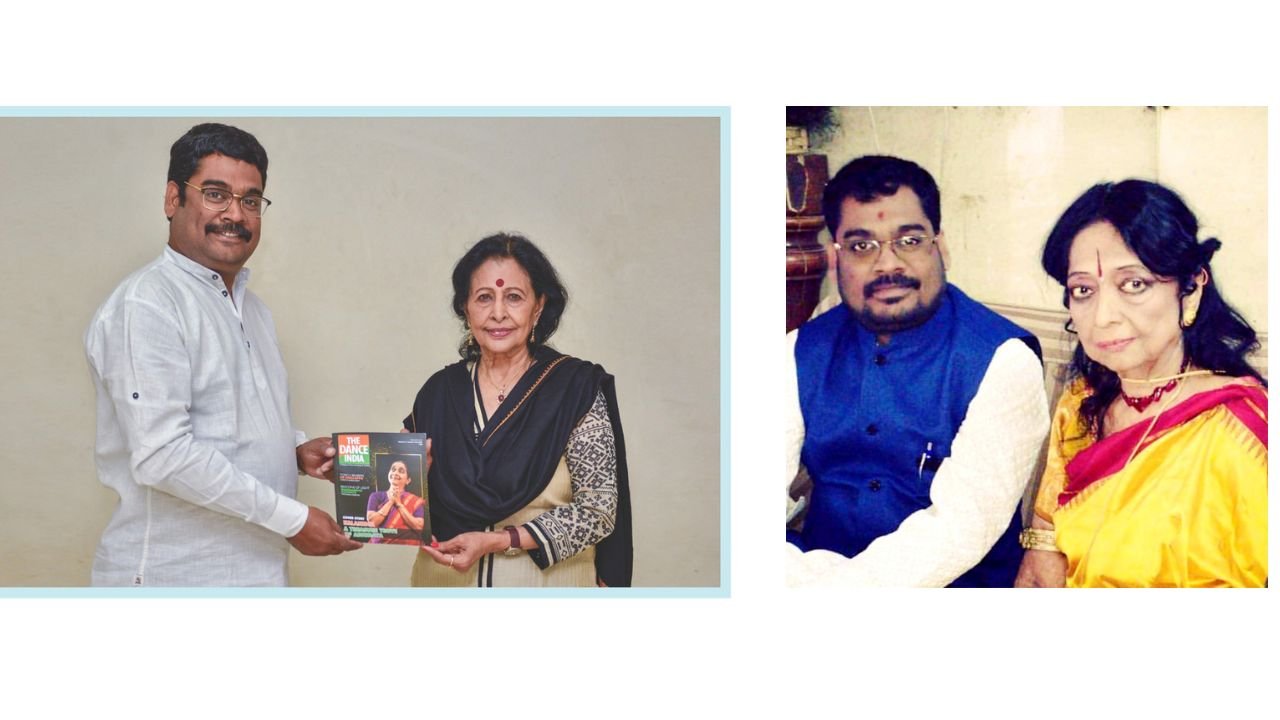
The move toward digital festivals represents an extension of Vikram Kumar B R’s larger cultural philosophy. His work has consistently focused on creating opportunities for artists, expanding audience access and ensuring that Indian classical traditions remain relevant in changing times. Online platforms provide another avenue through which these objectives can be pursued.
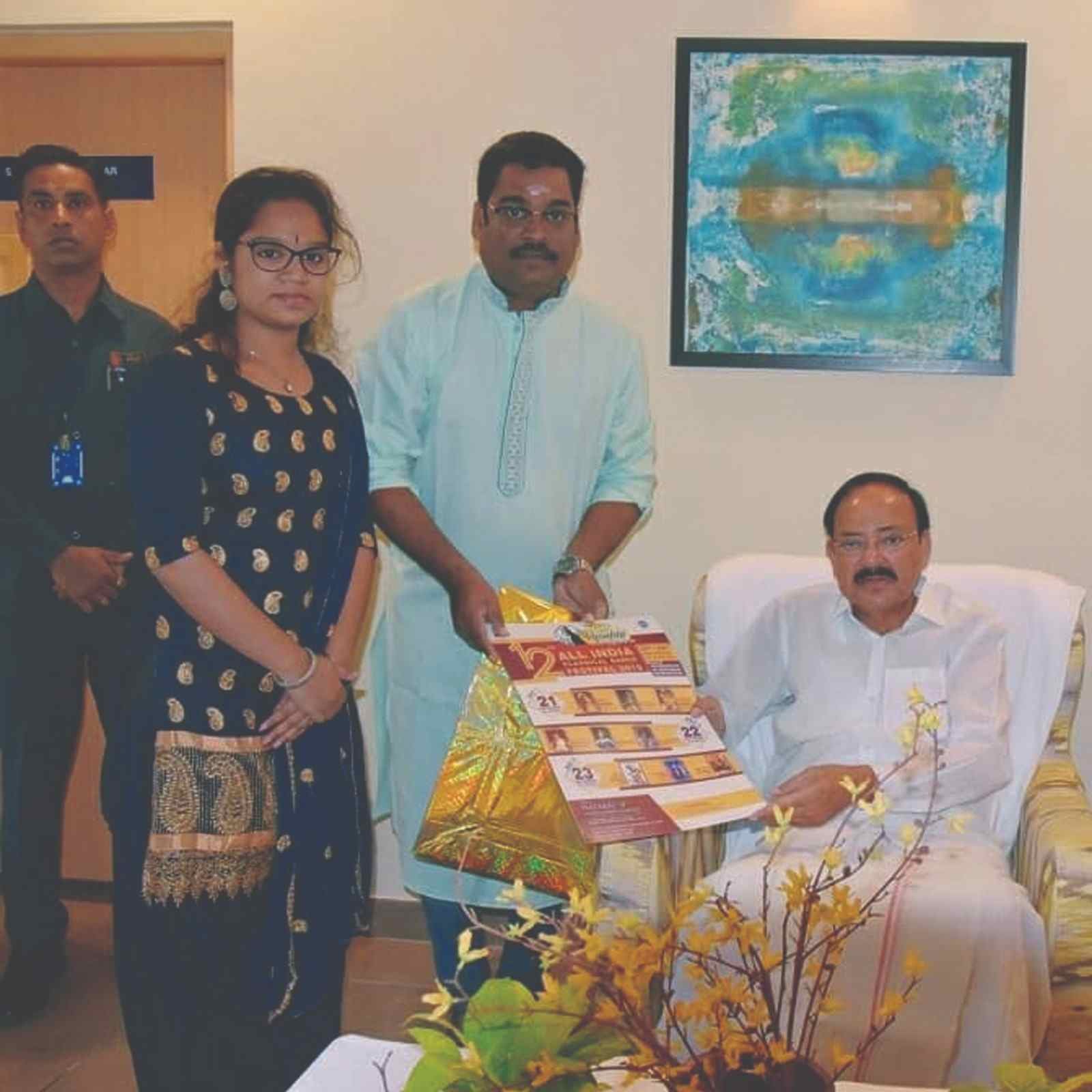
Traditional dance has historically depended heavily on physical stages. Artists travel to cultural centres, festivals bring performers and audiences together, and the atmosphere of a live performance becomes part of the artistic experience. Digital festivals cannot completely reproduce that environment, but they can remove geographical barriers.
An online performance can potentially be viewed by people who may not have the opportunity to attend a classical dance festival in person. Students, researchers, families and art enthusiasts from different locations can access performances without travelling. This makes digital programming particularly useful for expanding the reach of traditional arts.
The importance of such initiatives became increasingly evident as cultural organisations around the world explored digital methods of presenting performances. For classical artists, the online format also created opportunities to experiment with new methods of communication and audience engagement.
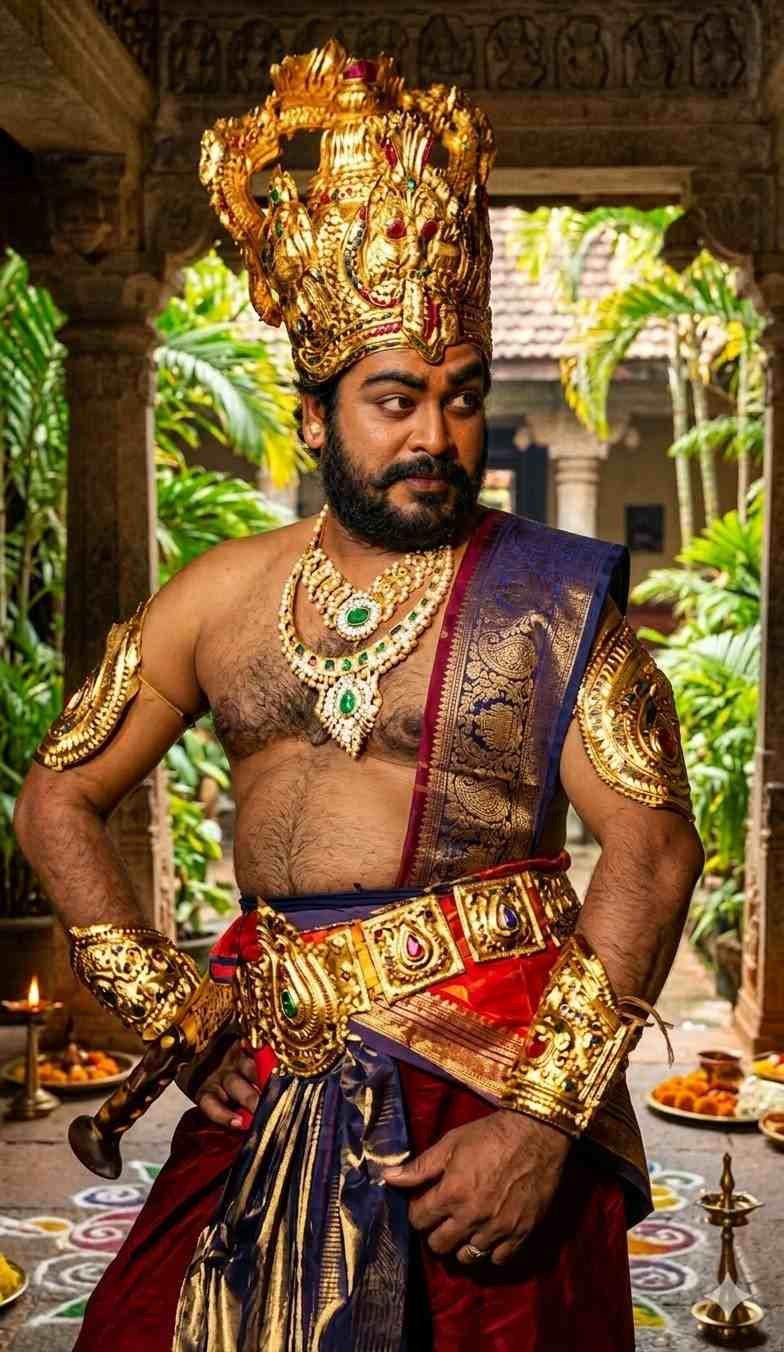
The Amrapali and Siddartha online festivals form part of a much wider network of initiatives associated with Vikram Kumar B R. His cultural activities have included national and international dance festivals, youth programmes, music and dance events, theatre, educational initiatives and cultural journalism.
The digital approach also complements his emphasis on documentation. A live performance is temporary, while a properly recorded presentation can become part of a longer cultural record. Digital platforms therefore have the potential to support both performance and preservation when recordings are responsibly created and archived.
For young artistes, online festivals can offer an additional platform to gain visibility. While a digital appearance does not replace the experience of performing before a live audience, it can help emerging performers introduce their work to viewers outside their immediate region.
The shift to online programming also challenges cultural organisers to think differently about presentation. Camera positioning, sound quality, lighting, editing and digital communication become important components of the viewing experience. This encourages artists and organisers to develop skills that were less central to traditional stage programming.
Vikram Kumar B R’s approach has generally treated technology not as a replacement for tradition but as a tool that can help traditional knowledge reach contemporary audiences. This distinction is important for classical arts, where maintaining artistic identity remains essential even as presentation methods evolve.
The online festivals also demonstrate the adaptability of cultural institutions. The underlying objective remains the same—providing platforms for artists and connecting them with audiences—but the medium can change according to circumstances and technological possibilities.
Through the Nataraj Music and Dance Academy and its wider festival initiatives, Vikram Kumar B R has continued to explore different ways of supporting Indian classical arts. From physical stages and educational programmes to publications and digital festivals, his work reflects an ecosystem-based approach to cultural preservation.
Amrapali Online Nrithyotsav and Siddartha Online Nrithyotsav therefore represent an important digital dimension of that journey. They show how traditional performing arts can use contemporary communication tools to expand their reach without abandoning their cultural foundations.
As audiences increasingly consume cultural content across both physical and digital spaces, such hybrid approaches may become increasingly important. For Indian classical dance, the challenge is not simply to preserve the past but to ensure that its knowledge, artistry and stories remain accessible to future generations.
Vikram Kumar B R’s move toward online festival platforms reflects precisely that objective: using new channels to create new connections while keeping the core values of India’s classical performing-arts traditions alive.